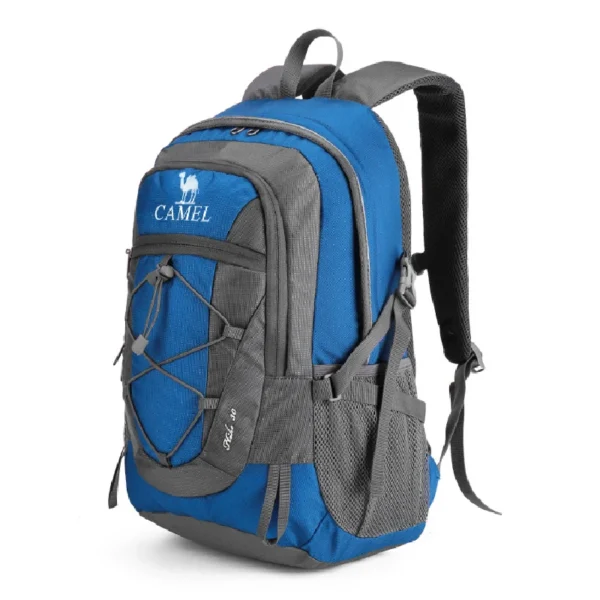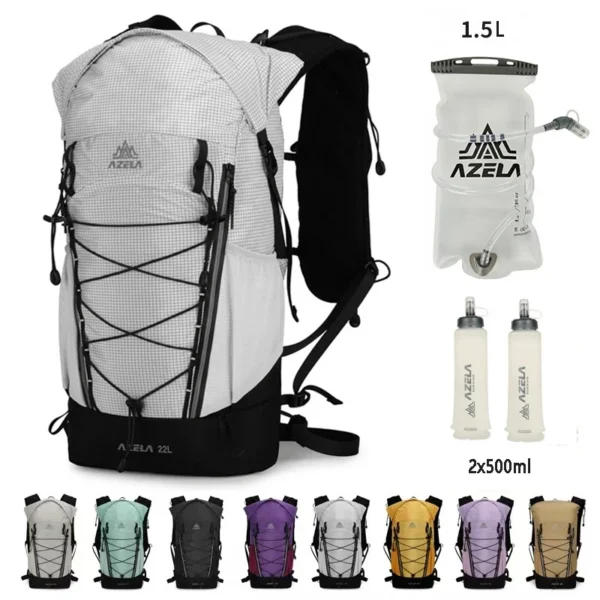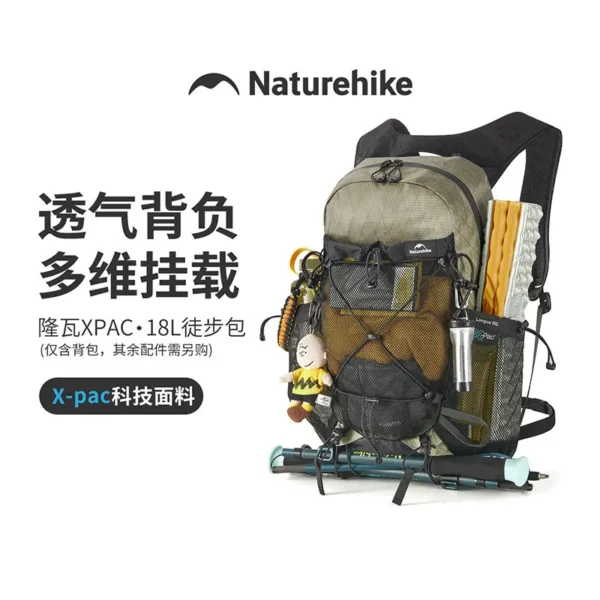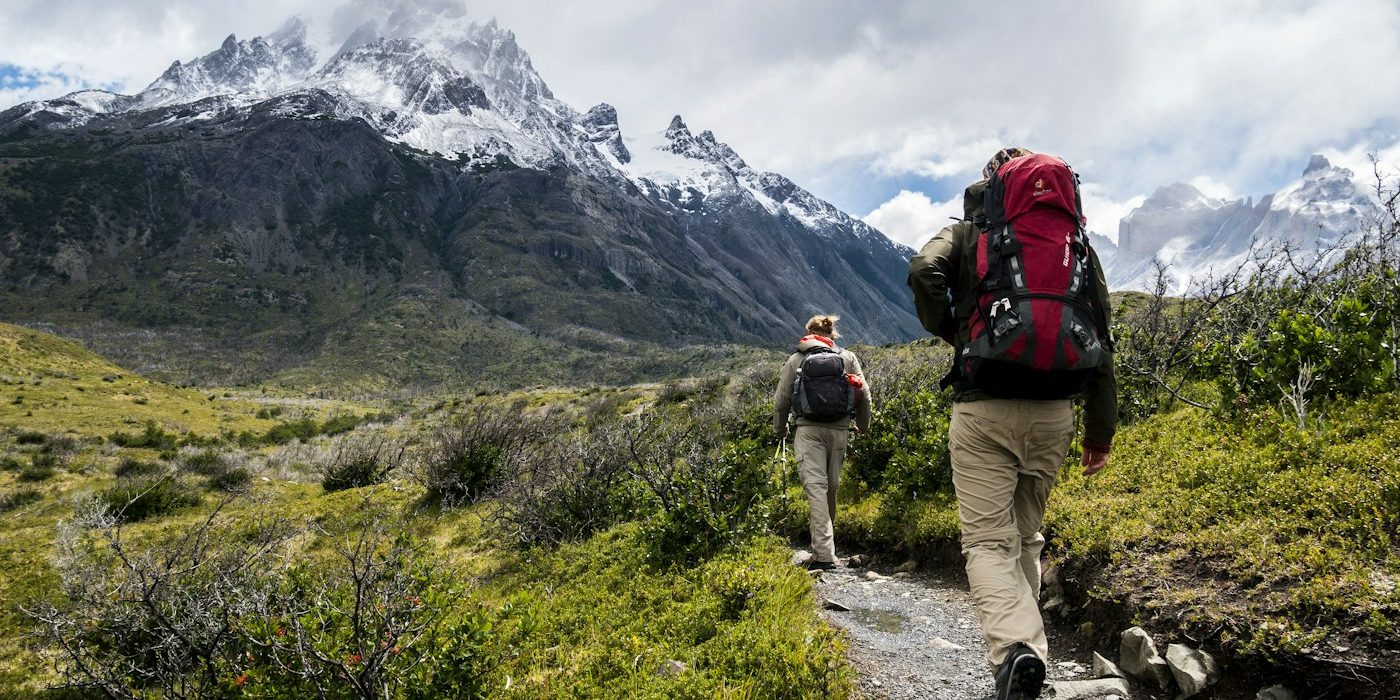
A good daypack disappears on your back. You stop thinking about it, the weight sits where it should, and everything you need is within reach. A poor one rubs, sways and turns every snack break into a hunt through a single deep pocket.
The right pack depends on where you hike, how long you are out, and what you carry. This guide walks through the details that matter most so you can choose with confidence.
Capacity: how many liters do you need?
Daypack capacity is measured in liters. More is not always better, because a large, half-empty pack tends to shift around. Match the size to your typical outing:
- 10 to 20 liters: short walks, warm-weather trails and outings of a few hours. Room for water, snacks, a light layer and essentials.
- 20 to 30 liters: the most versatile range for full-day hikes. Fits extra layers, lunch, a first aid kit and a rain jacket.
- 30 to 40 liters: long days, cooler seasons, or carrying shared gear for a family or group.
If you are unsure, a pack in the 20 to 28 liter range covers most day hikes comfortably.
Fit matters more than features
The most important measurement is your torso length, not your height. Torso length runs from the bony bump at the base of your neck to the top of your hip bones. Many daypacks come in one size, while larger or more technical models offer sizes or an adjustable back panel.
When trying on a pack, load it with some weight first. An empty pack always feels comfortable.
- Hip belt: on larger daypacks, it should rest on your hip bones and carry a good share of the weight.
- Shoulder straps: they should wrap smoothly over your shoulders without gaps or pinching at the neck.
- Sternum strap: it keeps the shoulder straps from sliding outward and should sit comfortably across your chest.
- Load lifters: found on some larger packs, these small straps pull the load closer to your back.
Try a pack with real weight inside, walk around for a few minutes, and pay attention to what you notice. The best fit is the one you stop noticing.
Back panel and ventilation
On warm days, a sweaty back is one of the most common complaints. Packs handle this in different ways. Mesh suspended back panels create an air gap for airflow, but can pull the load slightly away from your body. Foam back panels with channels sit closer and feel more stable, especially on uneven ground. If you mostly hike in heat, ventilation is worth prioritizing.
Pockets and organization
Think about what you reach for most often on the trail, and make sure it has an easy home.
- Hip belt pockets for a phone, snacks or lip balm without stopping
- Side stretch pockets for water bottles you can reach while walking
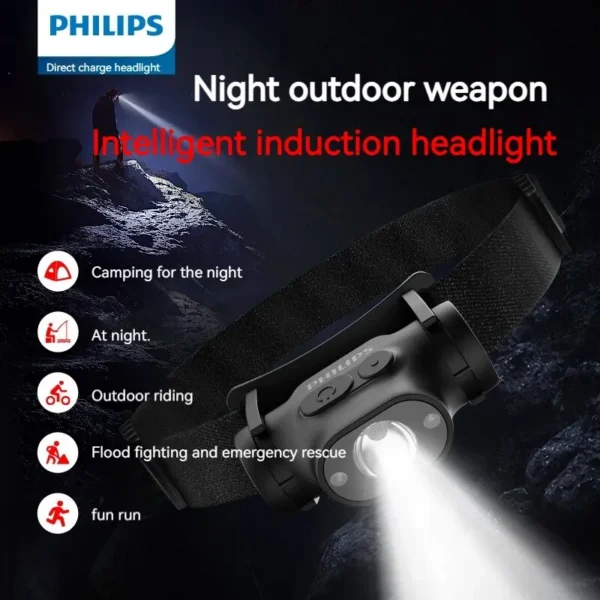
- A top or lid pocket for keys, a headlamp and small items
- A front stretch pocket for stashing a wet rain jacket or extra layer
- An internal sleeve for a hydration reservoir, if you prefer drinking through a tube
Hydration options
Some hikers love hydration reservoirs because they encourage regular sips. Others prefer bottles because they are easy to refill and check. If you use a reservoir, look for a dedicated sleeve and a hose port. If you use bottles, make sure the side pockets are deep enough to hold them securely when you bend over.
Weather protection
Very few daypacks are fully waterproof. Most use water-resistant fabric that handles light showers. For wetter regions, pack a rain cover or keep your extra layers and electronics in a dry bag or pack liner inside the main compartment.
Small features that make a difference
- Trekking pole attachment loops
- A key clip inside the lid
- Reflective details for walks that finish near dusk
- Compression straps to keep a partly full pack stable
- A grab handle for lifting the pack into the car
Materials and durability
Daypack fabrics are usually described by denier, a measure of fiber thickness. Higher numbers generally mean tougher fabric that resists abrasion from rock and brush, while lower numbers save weight. For most trail use, a mid-weight nylon or polyester with reinforced panels at the base offers a good balance. Look at stitching around strap anchor points and the quality of zippers, since those are the places that tend to wear first.
Matching the pack to your route
Your typical terrain should shape your choice as much as the pack itself:
- Forest and shaded trails: a simple, light pack with good bottle pockets is usually all you need.
- Exposed or desert routes: prioritize ventilation and room to carry extra water.
- Mountain and alpine hikes: choose a slightly larger pack with space for insulation, a shell and extra food, plus pole attachments.
- Family outings: a larger capacity helps when one adult carries layers and snacks for children.
Women’s and youth-specific fits
Many brands make packs with shorter torso lengths, narrower shoulder straps and differently shaped hip belts. These are not just color variations; they can make a real difference in comfort for people with smaller frames. Choose the fit that suits your body, whatever the label says.
A quick daypack checklist
Whatever pack you choose, the contents matter just as much. A sensible day hiking kit includes water, snacks, a warm layer, a rain jacket, sun protection, a headlamp, a basic first aid kit, a map or offline navigation, and a fully charged phone. Let someone know your route and expected return time before you set off.
Choose for fit first, then capacity, then features. Get those three right and your pack will be ready for countless trails ahead.

We test ideas on real weekends outside — camp, trail and open road — and share what makes trips simpler and more comfortable.