Your first weekend camping does not need to be complicated. You do not need the lightest tent on the market, a full camp kitchen or a trunk full of gadgets. What you need is a short list of reliable basics that keep you dry, warm, fed and rested, plus a few small comforts that make the experience feel easy instead of stressful.
This checklist is built for a simple two-night trip at an established campground, the kind with a marked site, a picnic table and a short walk to restrooms. Use it as a starting point, then adjust it for your weather, your group and the way you like to camp.
Start with shelter
Your tent is your home base. For a first trip, a freestanding dome tent is the easiest choice: it pitches quickly, stands on its own and can be moved if you discover a lumpy spot after setup. Pick a tent rated for one more person than will actually sleep in it so there is room for bags and boots.
- Tent with rainfly, poles and stakes. Do a practice pitch at home or in a park before you go so you know every piece is there.
- Footprint or groundsheet. It protects the tent floor and adds a layer against moisture. Fold it slightly smaller than the tent so rain does not pool on top of it.
- Extra stakes and a small mallet. Campground ground can be hard-packed, and a spare stake or two saves frustration.
- Guylines. Use them, even in mild weather. A taut fly sheds rain and wind far better than a loose one.
Build a comfortable sleep system
Most first-time campers who say they did not enjoy it slept badly. Cold usually comes from below, not above, so your sleeping pad matters as much as your sleeping bag.
- Sleeping bag rated a little below the coldest overnight temperature you expect. Comfort ratings vary by brand, so leave yourself some margin.
- Sleeping pad with enough insulation for the season. Self-inflating and foam pads are forgiving; air pads pack small but should be tested for leaks before the trip.
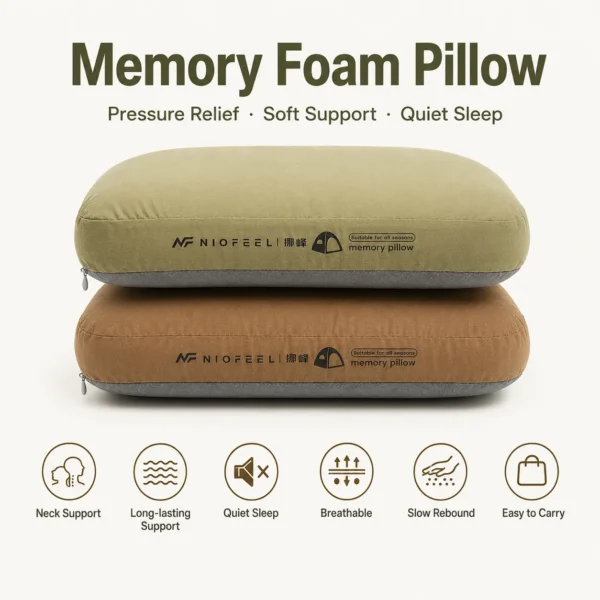
- Pillow. A compact inflatable pillow or a stuff sack filled with a fleece both work. Your neck will thank you.
- Warm sleep layers such as a dry base layer, wool socks and a beanie, kept only for sleeping.
Comfort is not a luxury at camp. A good night of sleep is what makes the next day of hiking, cooking and exploring feel easy.
Camp kitchen essentials
Keep your first camp menu simple: one-pot dinners, easy breakfasts and snacks that do not need cooking. That way your kitchen list stays short.
- Camp stove, fuel and a lighter or matches (bring a backup ignition source)
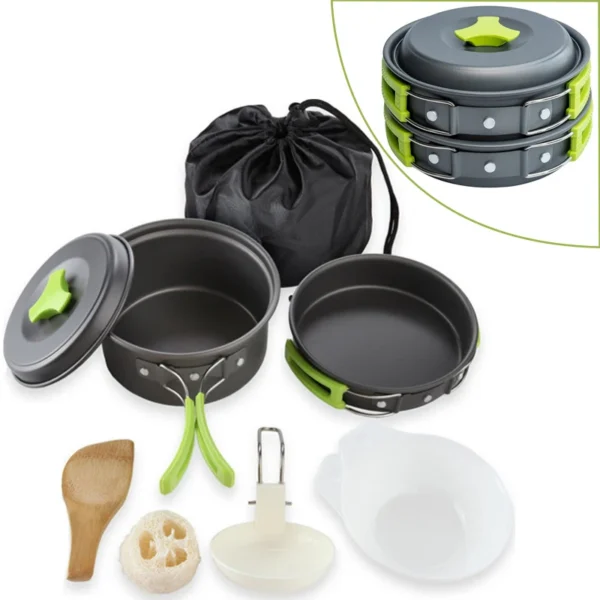
- One cooking pot, one pan, and a lid
- Plates or bowls, mugs, utensils and a sharp knife
- Cooler with ice or ice packs for perishable food
- Water bottles and a large water container for camp
- Biodegradable soap, a sponge and a small wash basin
- Trash bags and resealable bags for food scraps
- Paper towels or a quick-dry towel
Always cook outdoors in a well-ventilated area, never inside a tent or closed vehicle. Check the campground rules before you arrive for any fire restrictions or food storage requirements, especially in areas with bears or other wildlife.
Light, power and small tools
Darkness arrives faster at camp than it does at home, and you will want your hands free for cooking, finding things in the tent and walking to the restroom.
- Headlamp for each person, with fresh or fully charged batteries
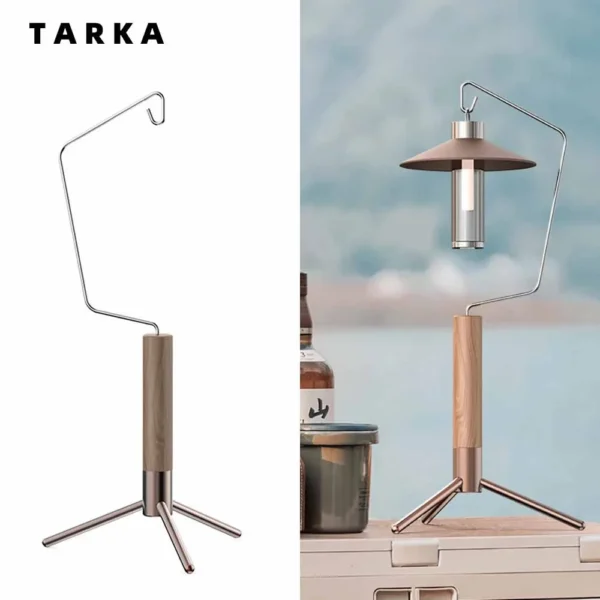
- Camp lantern for the picnic table or inside the tent
- Power bank to keep phones and lights charged
- Multi-tool or pocket knife
- Duct tape and a few cable ties for quick fixes
Clothing for changing conditions
Pack for the forecast, then add one more warm layer than you think you will need. Temperatures often drop quickly after sunset, and damp air makes it feel colder.
- Moisture-wicking base layers (avoid cotton for anything you will sweat in)
- A warm mid layer such as fleece or a light insulated jacket
- A waterproof rain jacket
- Comfortable walking shoes or hiking boots, plus camp sandals
- Extra socks, a sun hat and a warm hat
Comfort extras worth packing
These are not strictly essential, but they make a first trip feel far more relaxed:
- Camp chairs, so you are not perched on the picnic bench all evening
- A small tarp to create a shaded or dry area over the table
- A doormat or small rug for the tent entrance to keep dirt out
- A deck of cards or a book for quiet time
Health, safety and navigation
- A basic first aid kit, plus any personal medications
- Sunscreen, lip balm and insect repellent
- A printed map of the area and the campground details, in case of poor reception
- Hand sanitizer and a small toilet kit
- Emergency contact information and a note of your plans left with someone at home
Setting up when you arrive
Try to arrive with at least two hours of daylight left. Setting up a tent for the first time in the dark is possible, but it is far more enjoyable when you can see what you are doing. A simple order of operations helps:
- Walk the site and pick a flat spot for the tent, clear of sticks, stones and low areas where water might collect.
- Pitch the tent and stake it out, then add the rainfly even if the sky looks clear.
- Inflate pads and lay out sleeping bags so they can loft before bedtime.
- Set up the kitchen area on the picnic table, away from the tent.
- Place lanterns and headlamps where you can find them as the light fades.
Once the essentials are done, you can relax. Everything else can wait until the morning.
What you can leave at home
First-time campers often overpack. You probably do not need a full set of kitchen knives, multiple changes of shoes, large electronics or a separate outfit for every day. Bring clothes you can layer and rewear, and remember that most campgrounds are a short drive from a store if you forget something important.
Before you leave home
- Check the weather forecast and any campground alerts.
- Pitch your tent once and inflate your sleeping pad to test for leaks.
- Charge every device and pack spare batteries.
- Pack the car so the tent and a headlamp are easy to reach on arrival.
- Confirm your reservation, check-in time and arrival directions.
Once you have done one weekend, you will know exactly what you used, what you missed and what you could leave behind. Keep a short note on your phone after the trip, and your next packing list will be even better. Gear up, get out there, and enjoy the quiet.

We test ideas on real weekends outside — camp, trail and open road — and share what makes trips simpler and more comfortable.