Every beautiful trail and quiet campsite you enjoy is in good shape because other people took care of it. Leave No Trace is a simple set of principles that helps all of us do the same. It is not about strict rules or perfection. It is about small, thoughtful choices that add up across millions of visits each year.
Here is a practical look at the seven widely used Leave No Trace principles and how to put them into action on your next hike or camping trip.
1. Plan ahead and prepare
Good planning prevents most problems before they start. When you know the area, the weather and the regulations, you are less likely to get lost, need to improvise a campsite or leave gear and trash behind.
- Check the land manager’s website for current regulations, permits, fire restrictions and closures.
- Look at the forecast and pack the right layers for changing conditions.
- Repackage food to reduce waste before you leave home.
- Travel in small groups where possible, especially in sensitive areas.
- Carry a map and know your route, plus a backup plan if the weather turns.
2. Travel and camp on durable surfaces
Plants and soils can take years to recover from repeated trampling. Durable surfaces include established trails, rock, gravel, dry grass and designated campsites.
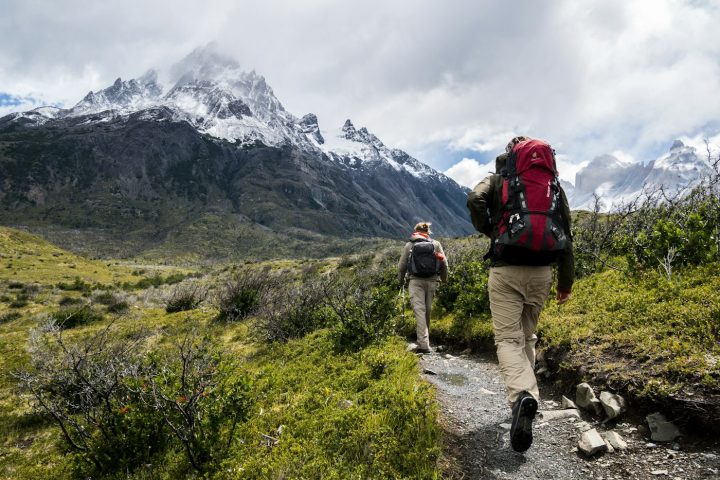
- Stay on the trail, even when it is muddy. Walking around puddles widens the path and damages vegetation at the edges.
- Do not cut switchbacks. Shortcuts cause erosion that is hard to repair.
- Use existing campsites rather than creating new ones.
- Camp a good distance from lakes and streams, following local guidance, to protect fragile shorelines.
Good campsites are found, not made. If a site needs to be cleared or altered, it is probably not the right place to camp.
3. Dispose of waste properly
The simplest version of this principle is: pack it in, pack it out. That includes food scraps, wrappers, fruit peels and anything else you bring with you.
- Carry a dedicated trash bag and check your site and rest stops before you leave.
- Use restroom facilities where they are provided.
- Where there are no facilities, follow local guidance for human waste. In many areas this means a small cat hole dug well away from water, trails and camp, while some places require you to pack out waste.
- Wash dishes away from water sources using a small amount of biodegradable soap, and scatter strained dishwater widely.
4. Leave what you find
Rocks, plants, shells, antlers and historic objects are part of what makes a place special. Take photos instead of souvenirs. Avoid building structures, digging trenches around tents or carving into trees. Leave the area looking the way you found it so the next visitor can enjoy the same sense of discovery.
5. Minimize campfire impacts
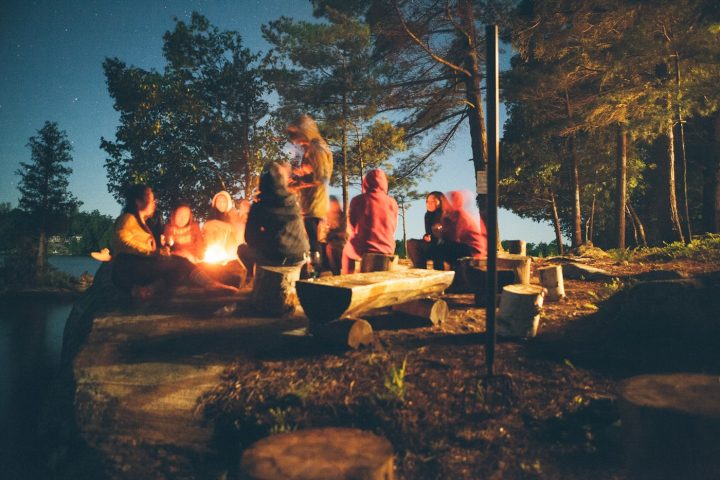
Campfires are a much-loved part of camping, but they can scar the land and, in dry conditions, start wildfires. Always check fire restrictions before you go, as they can change quickly during dry periods.
- Use a camp stove for cooking. It is faster, cleaner and works in almost any conditions.
- If fires are allowed, use existing fire rings and keep fires small.
- Burn only small sticks gathered from the ground, or buy firewood locally to avoid moving pests.
- Never leave a fire unattended, and make sure it is completely out and cool to the touch before you leave or go to sleep.
6. Respect wildlife
Watching animals in their natural setting is one of the joys of being outdoors. The best way to protect that experience is to give them plenty of space.
- Observe wildlife from a distance and never approach, follow or feed animals.
- Store food, trash and scented items securely, using lockers or approved containers where required.
- Keep pets under control or leave them at home in sensitive areas.
- Avoid wildlife during sensitive times such as nesting and raising young.
Feeding wildlife, even accidentally, can harm their health and change their behavior in ways that put both animals and people at risk.
7. Be considerate of other visitors
Everyone heads outdoors for their own reasons, and many are seeking peace and quiet. A little courtesy goes a long way.
- Keep noise down, especially at camp in the early morning and evening.
- Yield to other trail users according to local etiquette. Uphill hikers often have the right of way.
- Step aside to let others pass and greet people you meet.
- Take breaks a little off the trail on durable surfaces so others can pass easily.
Small habits, big difference
Leave No Trace is not about being perfect. It is about paying attention. Pack a spare bag for trash, check your campsite before you leave, and choose a stove over a fire when conditions are dry. If you see a little litter on the trail, picking it up is one of the easiest ways to give back.
When enough people make these small choices, our favorite places stay wild, clean and welcoming for the next generation of campers and hikers.

We test ideas on real weekends outside — camp, trail and open road — and share what makes trips simpler and more comfortable.