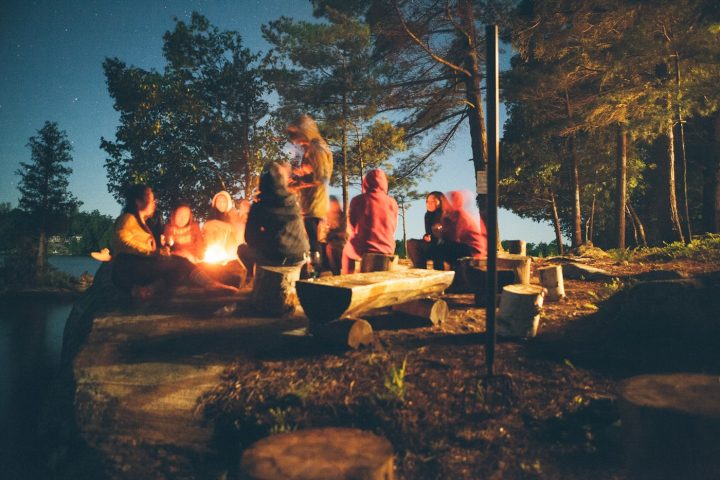
The campsite you choose shapes your whole trip. A good one gives you a flat place to sleep, shelter from the wind, morning sun and a calm place to sit in the evening. A poor one can mean a sloping tent, a puddle under your sleeping pad or a night spent listening to the parking lot.
Whether you are booking a numbered site at a campground or picking a spot in a designated dispersed camping area, these are the things worth checking before you unpack.
Start with the rules
Always check where camping is permitted. Many parks and forests only allow camping in designated sites, and some require permits or reservations. Dispersed areas often have rules about distance from roads, trails and water. Knowing the regulations before you arrive saves time and protects the land.
Look for flat, durable ground
A level surface is the single biggest factor in a good night’s sleep. Even a slight slope can leave you sliding to one side of the tent all night.
- Lie down on the spot before pitching to check for slope and lumps.
- If there is a slight slope, position the tent so your head is uphill.
- Choose established tent pads, gravel or bare ground rather than vegetation.
- Clear away small stones, pine cones and sticks, then return them when you leave.
Avoid low spots and drainage lines
Rain flows downhill and collects in hollows. Even if the forecast is clear, avoid dips, dry stream beds and areas where the ground looks compacted or muddy. These spots can turn into puddles overnight. A slightly raised area with good drainage is far more forgiving.
Before you pitch, imagine a heavy downpour at 2 a.m. Where would the water go? Make sure the answer is not under your tent.
Look up as well as down
Check above your tent for dead branches or leaning trees, sometimes called widowmakers. Wind can bring them down without warning. Choose a spot clear of anything that looks unstable, even if the shade is tempting.
Think about wind and shelter
A little natural shelter from trees, shrubs or a rise in the land can make a big difference on a breezy night. Pitch the narrow, low end of the tent toward the prevailing wind, and keep the door facing away from it. Stake out guylines fully so the fly stays taut.
In exposed areas, like open meadows or beaches, wind can pick up quickly in the afternoon or evening. If the forecast is gusty, look for a more protected site.
Morning sun or afternoon shade?
The direction your site faces affects your comfort. An east-facing spot catches early sun, which helps dry dew from the tent and warms you up for breakfast. In hot weather, afternoon shade makes the campsite far more pleasant. Consider what time of year you are camping and plan accordingly.
Water: close, but not too close
Camping near a lake or stream is beautiful, but it can also mean more insects, more condensation inside the tent and colder air at night. It can also damage sensitive shorelines. Follow local guidance on distance from water, which in many areas is around 200 feet, and never camp in an area that could flood if water levels rise.
Check the neighbors and facilities
At campgrounds, the location of your site within the loop matters too.
- Sites close to restrooms are convenient but can be busier and brighter at night.
- Sites near the entrance often get more vehicle noise and headlights.
- Walk-in or end-of-loop sites usually feel more private.
- Check whether the site has a fire ring, picnic table and level parking for your vehicle.
Wildlife awareness
Look for signs of animal activity, such as well-used trails, droppings or nests, and set up away from them. Store food and scented items according to local rules, using food lockers or approved containers where required. Keep a clean camp and never leave food out unattended.
Lay out your site with purpose
Once you have your spot, organize it in a way that keeps things comfortable and safe:
- Pitch the tent first on the best sleeping ground.
- Set up the kitchen at a distance from the tent, ideally downwind.
- Keep the fire ring, if used, well away from tents and overhanging branches.
- Create a clear path to the restroom or trail for walking at night.
- Store gear neatly so you can find things easily after dark.
Leave it better than you found it
Before you go, walk the site one more time. Pick up any micro-trash, make sure the fire is completely out, and restore anything you moved. A good campsite is one that the next person can enjoy just as much as you did.

We test ideas on real weekends outside — camp, trail and open road — and share what makes trips simpler and more comfortable.