When the sun goes down at camp, good lighting turns a confusing scramble into a relaxed evening. The question many campers ask is whether they need a headlamp, a lantern or both. The short answer is that they do different jobs, and most campers benefit from having one of each.
This guide explains what to look for so you can choose lights that suit the way you camp.
Headlamps: hands-free, focused light
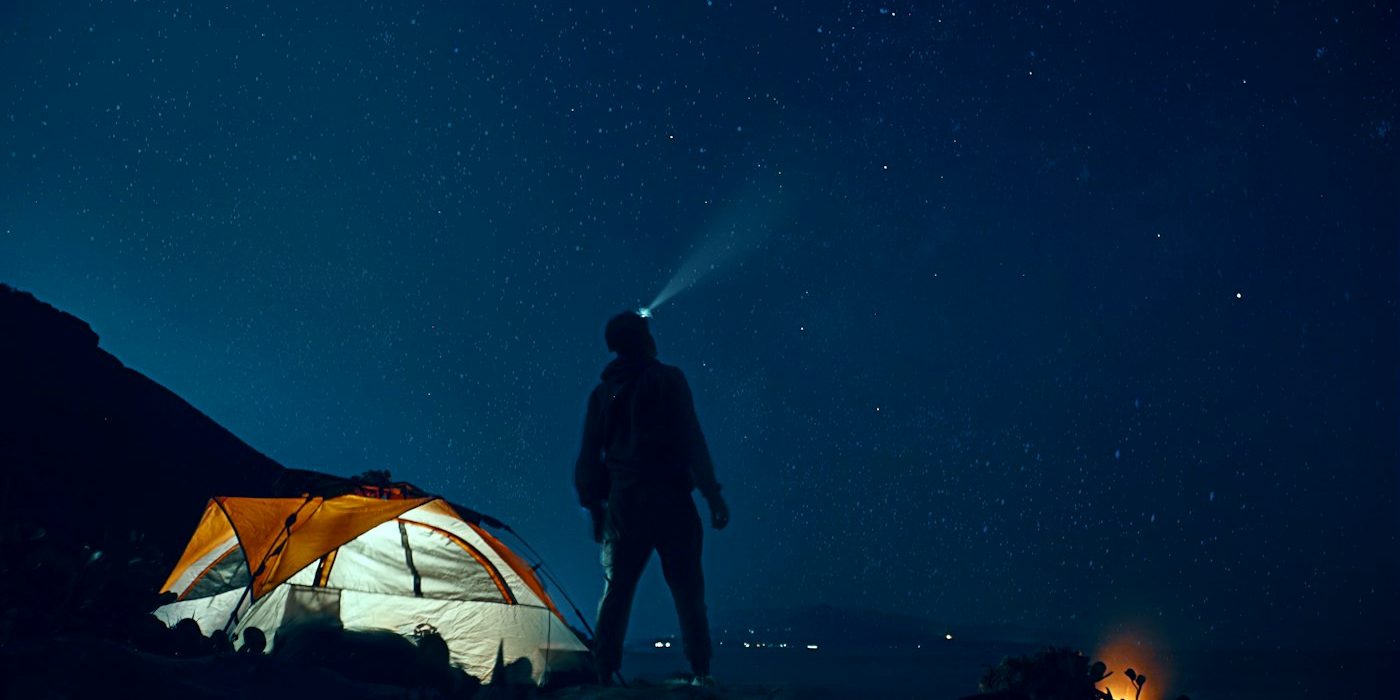
A headlamp puts light exactly where you are looking while keeping both hands free. That makes it ideal for cooking, setting up the tent after dark, walking to the restroom and finding gear in a bag.
- Every person in your group should have their own headlamp.
- They are compact, light and easy to keep in a pocket or pack.
- They are essential for hiking, especially if a trail could take longer than planned.
Lanterns: soft, area light
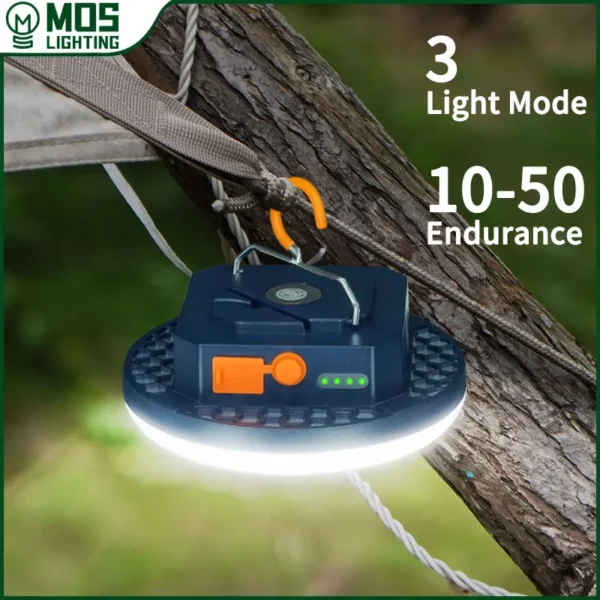
A lantern spreads light around a space rather than in a single beam. It is perfect for lighting a picnic table, the inside of a tent or a group sitting around camp. Lanterns create a warm, social atmosphere and reduce the need for everyone to shine headlamps in each other’s eyes.
- Hang one from a tent loop or tree branch for even light.
- Place one on the table for cooking and cards.
- Use a low setting to create a gentle glow at bedtime.
A headlamp helps you do things. A lantern helps you enjoy being there. Most campsites need both.
Understanding brightness
Brightness is usually measured in lumens. Higher numbers mean more light, but not always a better experience. Very bright lights drain batteries faster and can be harsh at camp.
- Around 50 to 150 lumens: reading, cooking and moving around camp.
- Around 200 to 400 lumens: hiking, setting up camp and general use.
- 400 lumens and above: route finding, spotting distant objects and emergencies.
Look for lights with multiple brightness settings so you can choose the right level for the task and save battery.
Beam types
Headlamps typically offer one or both of these beam types:
- Flood beam: a wide, even light for close tasks around camp.
- Spot beam: a focused, longer-reaching beam for trails and distance.
Many headlamps let you switch between the two, which is useful if you use the same light for camping and hiking.
Red light mode
A red light setting preserves your night vision and is far less disruptive to others. It is great for reading in the tent, checking a map or getting up during the night without waking the whole campsite. Once you have used it, you will wonder how you camped without it.
Power options
How a light is powered affects convenience, cost and reliability.
- Rechargeable (USB): convenient and cost effective, especially if you carry a power bank or have a car charger.
- Disposable batteries: easy to replace in the field and reliable in very cold weather.
- Hybrid: some lights accept both a rechargeable battery pack and standard batteries, offering flexibility.
- Solar: some lanterns include solar panels, which can be handy for longer trips in sunny conditions.
Whatever you choose, carry spare batteries or a charged power bank, and check your lights before every trip.
Features worth considering
For headlamps
- A comfortable, adjustable headband
- A tilting lamp head
- A lock function to prevent it turning on in your pack
- Water resistance for rain
- A battery level indicator
For lanterns
- A hanging hook or loop
- Dimmable or multi-mode settings
- Warm white light for a softer atmosphere
- A USB output to charge a phone in a pinch
- A collapsible or compact design for packing
Water resistance ratings
Many lights carry an IPX rating that indicates how well they resist water. A light rated around IPX4 handles splashes and rain, while higher ratings offer protection against heavier exposure or brief submersion. For most camping, a rain-resistant light is enough.
A simple lighting plan for camp
- Give everyone in the group a headlamp.
- Bring one main lantern for the kitchen or table area.
- Add a small lantern or string lights for inside the tent.
- Pack a spare light and extra power for emergencies.
Be a good neighbor
Good lighting is also about courtesy. Point your headlamp down when talking to people, use red light mode at night and turn off bright lanterns when you go to bed. Your fellow campers, and the stars, will be better for it.

We test ideas on real weekends outside — camp, trail and open road — and share what makes trips simpler and more comfortable.