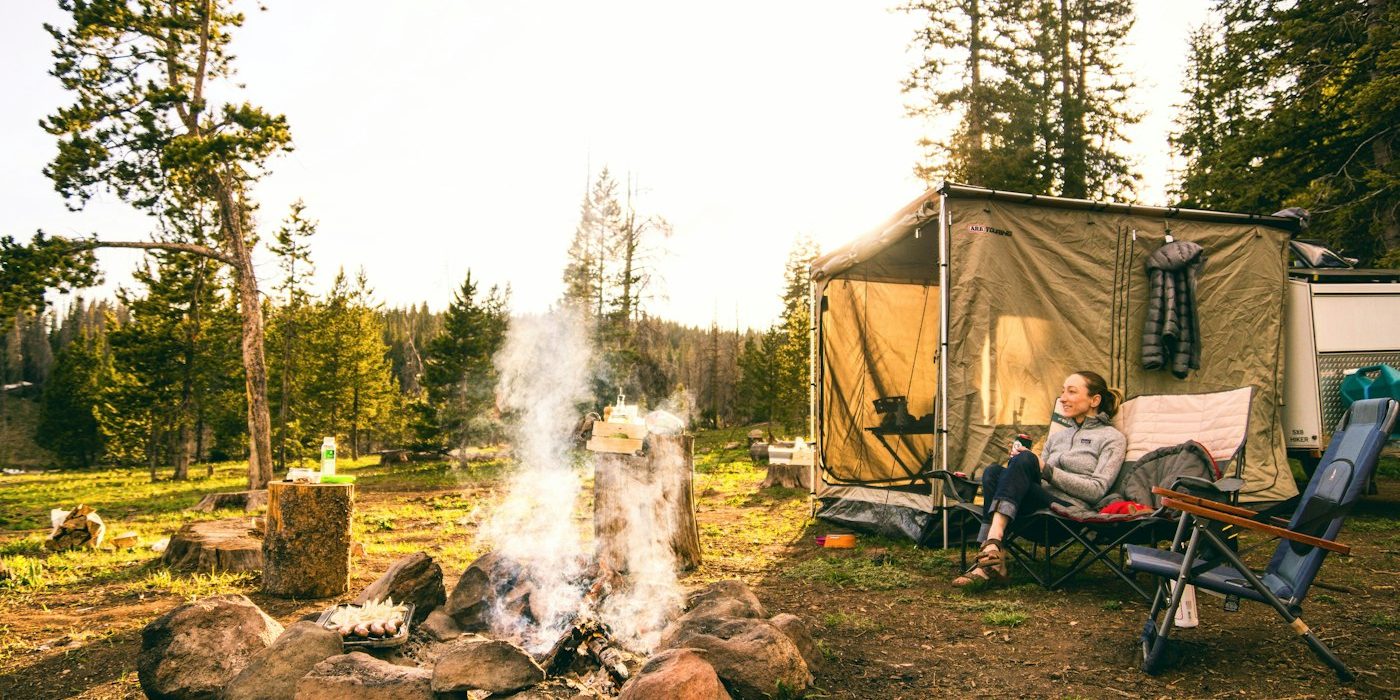
Food tastes better outdoors, especially when your camp kitchen is set up well. A good kitchen is not about having every gadget. It is about having the right basics, organized in a way that makes cooking and cleaning simple.
Use this checklist to build a camp kitchen kit that you can keep packed and ready between trips.
The cooking setup
- Camp stove: a two-burner stove is ideal for car camping, while a compact single-burner works for smaller groups.
- Fuel: bring more than you think you need, plus a spare canister.
- Lighter and matches: keep a backup in a waterproof container.
- Windscreen: improves efficiency on breezy days, used according to the stove maker’s guidance.
- Stable surface: a picnic table or a folding camp table.
Always cook outdoors in a well-ventilated area, away from tents and overhanging branches. Never use a stove or grill inside a tent or vehicle.
Cookware
- A medium pot with a lid
- A frying pan or skillet
- A kettle or small pot for boiling water
- A spatula, serving spoon and tongs
- A cutting board and a sharp knife with a cover
- A can opener and bottle opener
Eating and drinking
- Plates, bowls and mugs for each person
- Reusable utensils
- Water bottles
- A large water container for camp
- A coffee or tea setup, if that is part of your morning
Pack your camp kitchen in one clear, labeled bin. When it is time for the next trip, you only need to restock food and fuel.
Food storage and cooling
Keeping food fresh and safe is one of the most important parts of camp cooking.
- A quality cooler with ice or ice packs
- Resealable bags and reusable containers
- A separate bin for dry goods
- A thermometer for the cooler, if you are camping in warm weather
Keep raw meat sealed and stored at the bottom of the cooler to prevent drips onto other food. Keep the cooler in the shade and open it as little as possible. In areas with bears or other wildlife, use food lockers or approved containers and never leave food unattended or in your tent.
Cleanup kit
- A collapsible wash basin or two (one to wash, one to rinse)
- Biodegradable soap
- A sponge or scrubber
- A quick-dry towel or paper towels
- Trash bags and a separate bag for recycling
- Hand sanitizer
Wash dishes away from lakes and streams, strain food particles into your trash and dispose of dishwater according to campground rules.
Plan simple meals
The easiest camp meals use few ingredients and minimal cleanup. Prep as much as possible at home: chop vegetables, marinate proteins and pre-mix dry ingredients.
Breakfast ideas
- Oatmeal with fruit and nuts
- Breakfast burritos with pre-cooked fillings
- Pancakes from a pre-mixed batter bottle
Lunch ideas
- Wraps with cheese, vegetables and cured meats
- Pasta salad prepared at home
- Crackers, hummus and fresh fruit
Dinner ideas
- One-pot pasta or chili
- Foil packet meals over coals, where fires are permitted
- Stir-fry with pre-chopped vegetables
Organize your kitchen space
A tidy cooking area makes everything easier and safer. Set up your stove on a stable surface, keep the cooler and food bin close by and keep a clear area for prep. Hang a lantern or use a headlamp so you can see what you are doing after dark.
- Set up the stove and check for stability.
- Lay out ingredients and tools before you start cooking.
- Keep a pot of water heating for cleanup while you eat.
- Wash up straight after the meal, before food dries on.
- Pack food away securely before bed.
Plan your water
Water is easy to underestimate. You need it for drinking, cooking, coffee and dishes, and needs go up quickly in hot weather. A useful starting point is to plan for at least a gallon per person per day, then adjust for your group, the climate and your menu. Check whether your campground has potable water taps. If you plan to use water from lakes or streams, treat it with a filter, purifier or by boiling before drinking or cooking with it.
Little extras that help
- Spice kit in small labeled containers
- Cooking oil in a leak-proof bottle
- Aluminum foil and a few zip bags
- Oven mitt or pot grabber
- Small tablecloth or table cover
Restock after each trip
When you get home, clean and dry everything, refill your fuel and replace any used items like soap and trash bags. Keeping your camp kitchen packed and ready means the next adventure is only a cooler of food away.

We test ideas on real weekends outside — camp, trail and open road — and share what makes trips simpler and more comfortable.