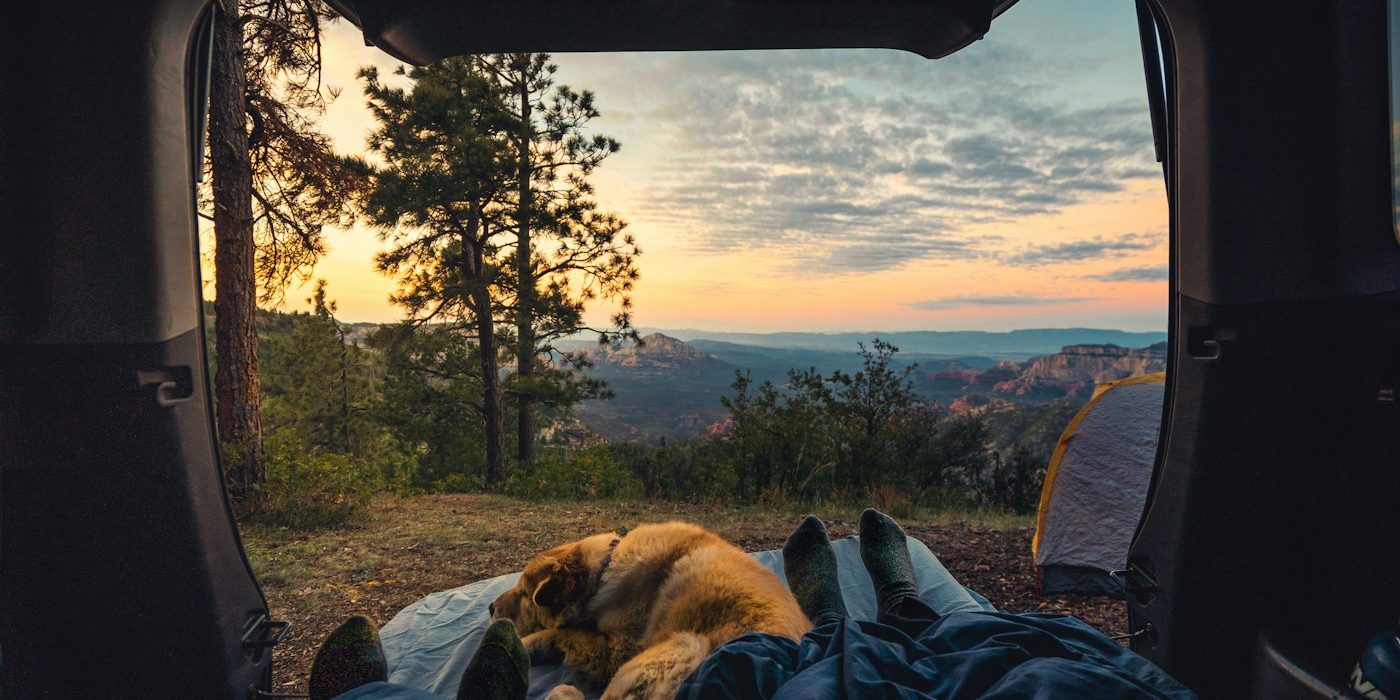
Sleeping in your car can be surprisingly comfortable. It is quick to set up, keeps you out of the rain and wind, and lets you make the most of a road trip without booking a room every night. The key is a thoughtful setup that gives you a flat surface, good bedding, fresh air and a little privacy.
Here is how to build a car camping sleep system that helps you wake up rested and ready for the day.
Check where you can sleep
Before anything else, make sure overnight sleeping in a vehicle is allowed where you plan to stop. Campgrounds, some public lands and certain designated areas welcome car campers, while many cities, rest areas and parking lots do not. Check local rules and look for established sites with restrooms where possible.
Create a flat sleeping surface
Most vehicles are not perfectly flat when the rear seats are folded down. A few inches of slope or a gap between the seats and trunk floor can make for an uncomfortable night.
- Fold the seats and measure the length and width of your sleeping area.
- Fill gaps with firm storage bins, folded blankets or purpose-made fillers.
- Park on level ground, or use leveling blocks if your vehicle sits at an angle.
- Position yourself so your head is slightly higher than your feet if the ground is not completely flat.
Choose the right mattress
Your mattress is the heart of your setup. The right option depends on your vehicle size and how often you car camp.
- Car air mattresses are shaped to fit around wheel wells and back seats, and pack down small.
- Self-inflating pads are durable, insulating and easy to set up.
- Foam mattresses offer excellent comfort and reliability, but take up more space.
- Wide camping pads work well in larger SUVs and wagons.
If you use an air mattress, bring a pump and a patch kit, and test it at home before your trip.
Test your setup in the driveway first. One night at home will show you exactly what to adjust before you are miles from the nearest store.
Bedding for the season
Cars can get cold overnight, especially in cooler months or at higher elevations. Metal and glass lose heat quickly.
- Use a sleeping bag rated for the expected overnight temperature, or layer blankets and a comforter.
- Add an insulating layer beneath you, since cold rises from the floor.
- Bring your regular pillow for real comfort.
- Pack warm sleep clothes, socks and a beanie for chilly nights.
Never run the engine for heat while you sleep, and never use fuel-burning heaters, stoves or grills inside a vehicle. Carbon monoxide can build up quickly in enclosed spaces. Dress warmly and rely on good bedding instead.
Manage airflow and condensation
Breathing overnight releases a surprising amount of moisture, which can leave windows dripping by morning. Good airflow keeps you comfortable and reduces condensation.
- Crack two windows slightly on opposite sides of the vehicle for cross-ventilation.
- Use window mesh screens or vent covers to keep insects out.
- Wipe condensation in the morning with a microfiber cloth.
- Avoid drying wet clothes inside the car overnight.
Privacy and light control
Window shades make a big difference to both privacy and sleep quality. Custom-fit reflective shades block light, add some insulation and keep the interior hidden. A simpler option is dark fabric cut to size and held in place with magnets or clips. An eye mask helps if you are a light sleeper.
Stay organized inside
When you sleep in your car, every bit of space counts. Keep things tidy so you can move around comfortably at night.
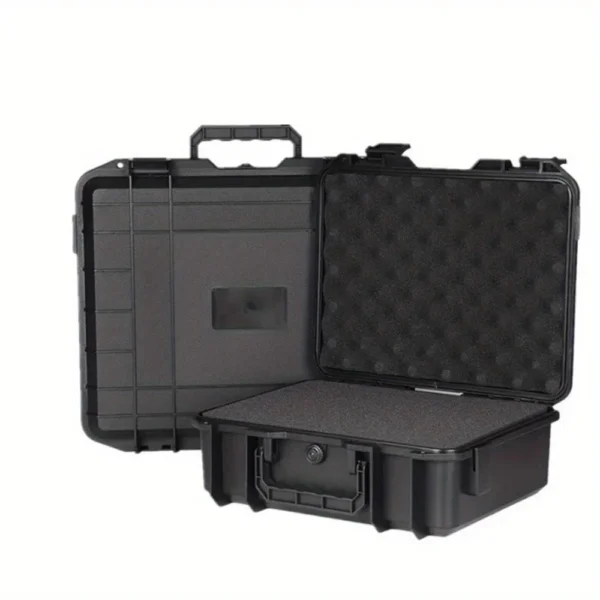
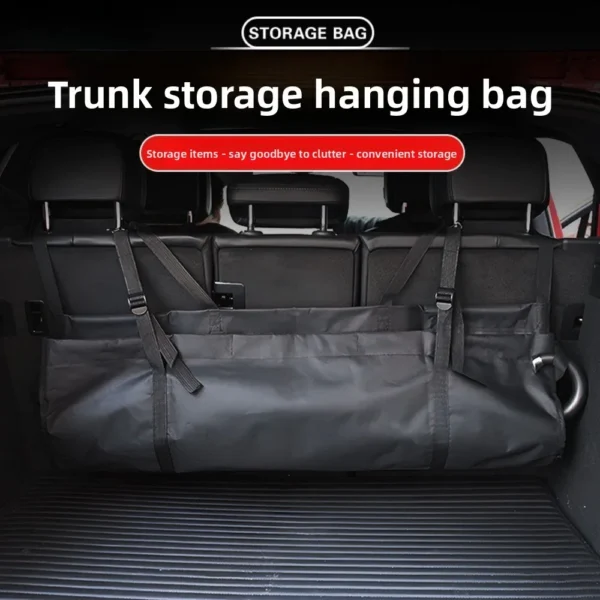
- Store gear in bins under or beside the mattress, or move them to the front seats.
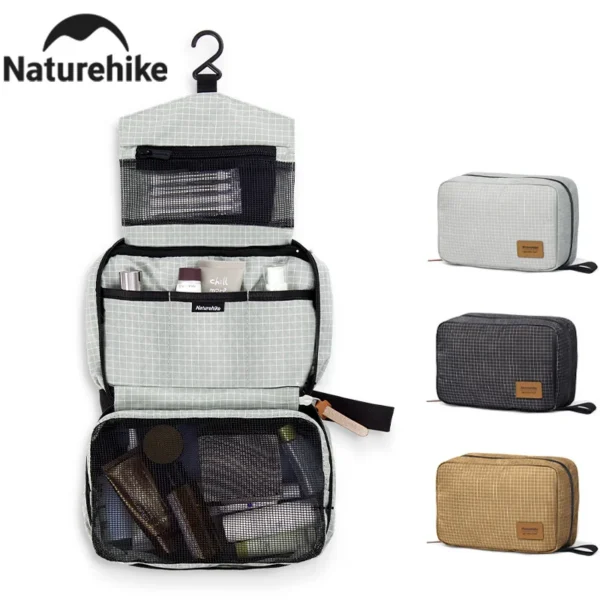
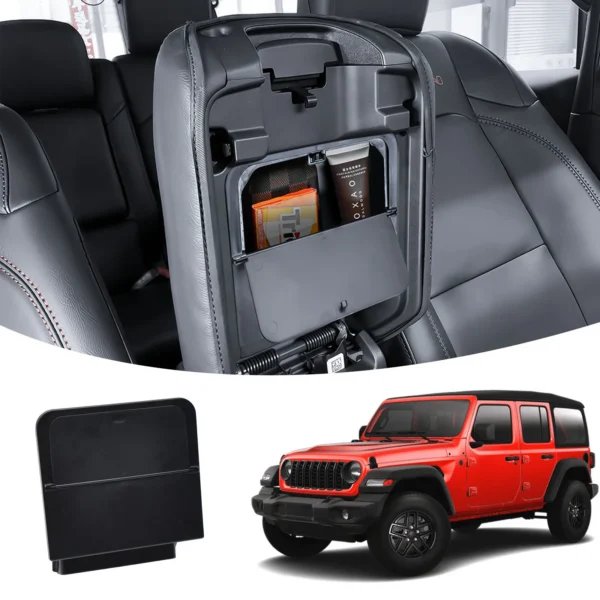
- Use seat-back organizers for headlamps, water, glasses and your phone.
- Keep keys in the same place every night where you can reach them quickly.
- Hang a small lantern or string lights for soft evening light.
Safety habits
A few simple habits make car camping feel safer and more relaxed.
- Choose established campgrounds or approved areas whenever possible.
- Let someone know where you are staying.
- Park facing out so you can leave easily if needed.
- Keep doors locked overnight, with keys within reach.
- Trust your instincts. If a spot does not feel right, move on.
A simple morning routine
Air out the car, roll up the bedding and wipe the windows before you hit the road. A tidy reset each morning means your setup is ready to go again at night, so you can spend more of your trip enjoying the drive and less time rearranging gear.

We test ideas on real weekends outside — camp, trail and open road — and share what makes trips simpler and more comfortable.